

How AI Is Improving Video Download and Conversion Technology
Video download and conversion tools have evolved quickly in recent years. What once required slow software and manual settings now happens in seconds. Artificial intelligence plays a major role in this shift. AI systems improve speed, accuracy, and output quality. They also reduce user effort. As online video continues to dominate digital activity, smarter technology becomes essential. Understanding how AI improves video download and conversion technology helps explain why modern tools perform better than older solutions. For more information, visit https://ytsaver.co.
Smarter Format Detection
Traditional converters often required users to choose output formats manually. This process created confusion for less technical users. Selecting the wrong codec could lead to playback issues. AI improves format detection automatically. It analyzes the source file and identifies the most compatible output format for the target device. The system studies resolution, bitrate, and audio structure before suggesting the best option. This reduces errors. It also saves time. Users no longer need advanced technical knowledge to get optimal results.
Faster Processing Through Automation
Older video converters relied heavily on fixed processing routines. These routines treated all files the same way. AI introduces adaptive automation. Machine learning models recognize patterns across thousands of video samples. They learn which encoding strategies deliver faster performance without sacrificing quality. Processing speeds improve because the system anticipates optimal settings instead of testing multiple combinations. This efficiency reduces waiting time for users. Automation also limits manual adjustments, which streamlines the workflow.
Smarter Error Detection and Recovery
Video downloads sometimes fail due to unstable connections. Corrupted files can also occur during conversion. AI improves error detection by monitoring file integrity in real time. It identifies incomplete segments and attempts automatic repair when possible. Instead of restarting the entire process, intelligent systems isolate damaged portions. They reprocess only the affected sections. This reduces frustration. It also saves bandwidth and time.
Enhanced Audio and Video Quality Restoration
Downloaded videos sometimes suffer from quality loss. Low resolution, noise, or compression artifacts may reduce clarity. AI-driven enhancement tools address these issues. They upscale resolution intelligently by predicting missing pixel details. They reduce background noise in audio tracks using trained recognition models. Unlike basic sharpening filters, AI restoration examines contextual patterns. It distinguishes between noise and actual image detail. This produces smoother playback and clearer sound. Improvements feel natural rather than artificial.

Improved Subtitle and Metadata Handling
Modern video users expect more than simple playback. Subtitles, captions, and metadata improve accessibility and organization. AI assists by detecting embedded subtitle tracks automatically. It can also generate captions through speech recognition technology. This benefits users who require accessibility features or language translations. Metadata tagging becomes more accurate as well. AI scans video content and identifies themes, speakers, or scenes. It organizes files more effectively within media libraries. These capabilities make downloaded content easier to manage.
Intelligent Compression Optimization
File size matters. Large files consume storage and increase transfer time. However, excessive compression reduces quality. AI-powered algorithms evaluate video content frame by frame. They detect motion levels, lighting conditions, and scene complexity. Based on this analysis, the system adjusts compression levels dynamically. This approach maintains visual clarity while minimizing file size. The balance is more precise than older fixed compression models. As a result, downloaded videos remain sharp without unnecessary storage demands.
Adaptive Performance Across Devices
Different devices require different …
Read More →
 At the heart of every robot is the control system, often referred to as its brain. This is usually a microcontroller or computer that processes data, makes decisions, and sends commands to other components. In simple robots, this could be an Arduino or Raspberry Pi running programmed instructions. In more advanced robots, it might involve artificial intelligence software that allows the machine to learn from its environment. The control system acts as the central hub, coordinating every action the robot performs and ensuring that all parts work together smoothly and efficiently.















 If you’re a smartphone user, accessing your Google review link can be as easy as tapping on an app. The Google Maps app provides a convenient way to not only find directions but also access and share your business’s review link. To get started, open the Google Maps app on your device. Once it loads, search for your business by typing its name in the search bar.




 One of the reasons your computer might be running slow is that there is too much software installed on it. If you have a lot of programs that you don’t use, then it would be best to uninstall them. This will free up some space on your hard drive and could potentially improve your computer’s speed and performance. To uninstall a program, you can go to your Control Panel and look for the “Add or Remove Programs” option. You can select the programs you want to remove and proceed with the uninstallation process.
 One of the most common reasons for a slow computer is too many programs running at startup. When you first turn on your computer, many programs start automatically and continue to run in the background. This can include your antivirus software, photo editing apps, and more.
 One of the most effective ways to improve your computer performance is to add more RAM. This will boost your system, mainly if you run resource-intensive programs or games. You can purchase RAM modules online or at your local computer store.

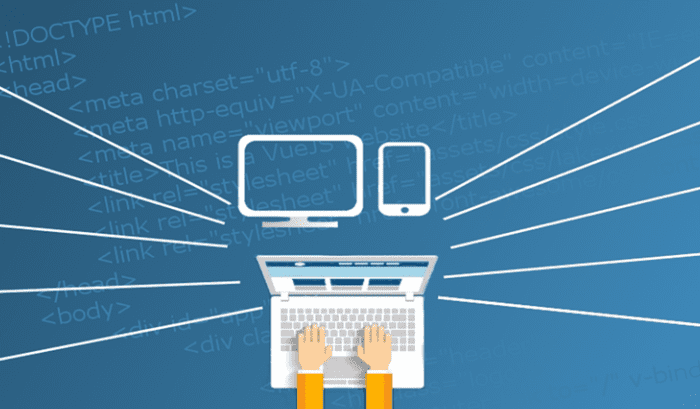
 Web development allows you to come up with an idea and design it from start to finish. You will have the opportunity to create tangible and impactful things which is self-fulfilling. If you are creative and you have been looking for a platform to showcase and use your talent, web development is among the best areas.
 There is a lot of demand for web developers. Since the discipline is new, almost every company is looking to hire a web developer. You can be assured of a job within the first six months after graduation. As long as you have the right skills, you will find a company which will trust you to work for them as you grow your skills.